
Upload Blog 8: Spanish Wealth Tax Explained: How to Protect Your Assets and Avoid Surprises
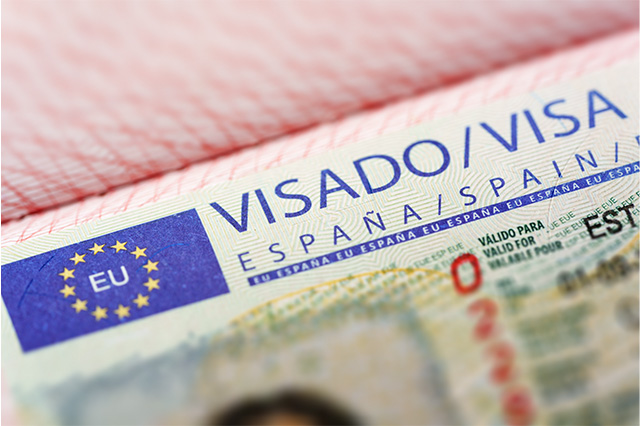
Buying a property in Spain is an exciting step, but UK nationals also need to think carefully about how long they plan to stay. Since Brexit, property ownership alone does not automatically give UK buyers the right to live in Spain permanently. That is why understanding Spanish visa requirements is so important before making long-term relocation plans.
If you are buying a holiday home for short visits, your needs may be different from someone planning retirement or family life in Spain. The earlier you understand your options, the easier it is to align your property purchase with your future plans.
Why Spanish visa requirements matter for property buyers
Spanish visa requirements matter because buying a home and living in Spain are separate issues. UK citizens can usually visit the Schengen Area for short stays without a visa, but longer stays require planning. If you want to spend extended periods at your Spanish property, retire in Spain or relocate permanently, you may need a suitable visa or residence permission.
This is especially important for buyers at Mar Menor Golf Resort who plan to use their property for more than holidays. A villa or apartment can give you a wonderful base in Murcia, but your visa position determines how much time you can spend there legally.
Short stays and the 90-day rule
Many UK buyers use their property for holidays, family visits and seasonal breaks. For short visits, the Schengen 90-day rule is usually the starting point. This generally limits visa-free stays to 90 days in any 180-day period across the Schengen Area.
If that suits your plans, you may not need a long-stay visa. However, if you want to spend most of the year in Spain, retire full time or stay for extended periods, you should explore how to get a visa for Spain before buying or moving.
Common visa routes for Spain
The right visa depends on your circumstances. Retirees and financially independent buyers often look into non-working residence options. Families, remote workers, employed professionals and business owners may need different routes. Visa rules, income requirements and documentation can change, so current advice is essential.
When researching Spanish visa requirements, avoid assuming that another buyer’s route will work for you. Your income, savings, health insurance, criminal record checks, family situation and long-term plans can all affect the application.
Documents needed for Spain visa applications
The documents needed for Spain visa applications vary by visa type, but buyers should be prepared for paperwork. You may need a valid passport, application forms, proof of income or savings, health insurance, medical certificates, criminal record checks, proof of accommodation and official translations or legalisation of documents.
If you are buying property, your purchase documents or rental arrangements may also help show where you intend to live. However, property ownership alone is not a substitute for meeting the Spanish visa requirements of your chosen route.
It is sensible to check expiry dates and make sure paperwork is prepared in the correct format. Missing or incorrectly prepared documents can cause delays.
Permanent residency in Spain
Permanent residency in Spain is usually something that comes after a period of legal residence, rather than immediately when you buy a home. The exact pathway depends on your visa and compliance with residency rules, as well as how long you have lived legally in the country.
If permanent residency in Spain is your long-term goal, you should choose a visa route that supports that plan from the beginning. A specialist immigration adviser can explain the current requirements and help you avoid decisions that limit your options later.
Planning your property purchase around your visa
For UK buyers, the best approach is to plan property and residency together. Before choosing a villa or apartment, decide how you want to use it. Will it be a holiday home? A winter base? A full-time retirement property? A future relocation home?
Your answer affects not only Spanish visa requirements, but also healthcare, tax residency, insurance, banking, property management and travel plans. Mar Menor Golf Resort works well for different buyer types, but your legal right to stay must match your intended lifestyle.
Moving forward with confidence
Understanding how to get a visa for Spain can feel complicated at first, but it becomes easier when you break it into steps. Decide your intended length of stay, identify the right visa route, gather the documents needed for Spain visa applications and take advice before committing to timelines.
Andrew Brown can help with the property side of your move, showing you homes that suit your lifestyle at Mar Menor Golf Resort. For visa advice, buyers should work with qualified immigration professionals who can confirm the latest rules.
Ready to buy and plan your move?
Spanish visa requirements should be part of your planning if you want to spend extended time in Spain. With the right property guidance and professional visa advice, you can make confident decisions about your future in Murcia.
Speak to Andrew Brown to explore available properties at Mar Menor Golf Resort and start planning your Spanish lifestyle with clarity.
FAQs
No, a visa is not usually required simply to buy property, but you may need one if you want to stay beyond short visit limits.
You need to choose the visa route that fits your circumstances, gather the required documents and apply through the appropriate process.
Property ownership alone does not automatically grant permanent residency in Spain, but legal residence over time may support a future pathway.
Common documents can include a passport, application form, proof of funds, health insurance, medical certificate, criminal record check and accommodation evidence.